

Recent Blog Posts
How Are Pain and Suffering Calculated After an Injury?
 When most people hear the words "personal injury," they think of medical bills, lost wages from being off work, and other losses. These are called economic damages, and they are the most common type of damages that personal injury victims seek compensation for.
Some damages, however, are not physical. Someone who has been in a truck crash, for example — which is often more traumatic than car accidents due to the weight and size of trucks — can suffer psychological and emotional shock. Texas law refers to the psychological impact as pain and suffering. Even though pain and suffering are considered non-economic damages, a victim can still receive compensation for them.
But how are pain and suffering calculated? This article will discuss the methods used to determine the value of pain and suffering. If you have been injured in a truck accident or any other incident, contact a Texas personal injury attorney to find out if you may be eligible to claim compensation for pain and suffering.
What Is the Claims Process for a Truck Injury in Texas?
 People who are injured in collisions involving trucks are more likely to sustain severe injuries than people injured in car crashes. This is not only because trucks are larger and heavier, but because they sometimes carry cargo that can spill in the event of a crash and hurt other vehicles.
Most truck accident victims who sustain injuries want to seek compensation. They know that they are supposed to file a claim with an insurance company, but they are not familiar with the rest of the process. Knowing the whole process is important because, as you will see, a Texas truck accident attorney can be the key to receiving the most compensation possible for your injury.
The Accident
The process begins with the truck accident. Try to account for all your injuries and their severity. Remember every detail you can and write it down. The more information you have, the better you can help your attorney identify who is at fault.
What Damages Can I Claim for a Truck Accident Wrongful Death?
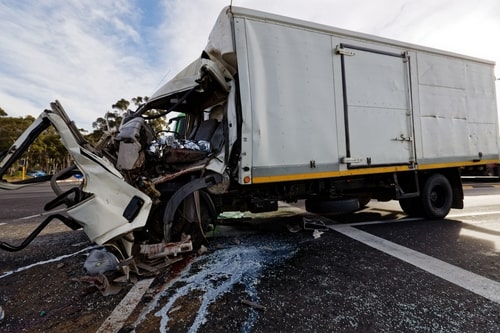 Truck collisions are known to have higher fatality rates than passenger car collisions. When someone dies in a truck wreck, the victim’s family may be able to sue the other party for wrongful death.
According to Texas law, wrongful death means that someone died as a result of another person’s “wrongful act, neglect, carelessness, unskillfulness, or default.” So, if a person was killed in a car or truck accident, his or her relatives may be able to claim compensation for damages.
This article will discuss the types of damages that can be claimed in a wrongful death case following a truck collision. However, keep in mind that some of these claims are not easy to win, so they should be brought by a skilled personal injury attorney.
Economic Damages
Economic damages, which refer to financial losses, are the easiest type of damages to claim. This is because they can be quantified. When you sue for economic damages, you are telling the court that you lost money and you want the other party — the defendant — to reimburse you. Such losses include:
Can I Sue a Reckless Driver for an Accident in Texas?
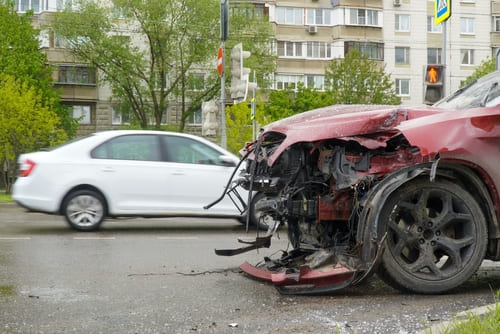 Reckless driving is the most common cause of fatal car accidents. Texas law defines reckless driving as when a “person drives a vehicle in wilful or wanton disregard for the safety of persons or property.” This is slightly different from aggressive driving, which is “any unsafe behavior performed purposely with ill intent or disregard for safety that puts other drivers or property at risk.”
Both types of driving are moving violations and are punishable with fines and jail time. If someone gets injured as a result of aggressive or reckless driving, the victim may be able to sue for damages. However, not all claims are entitled to compensation, so make sure to consult a Texas personal injury attorney about your specific case.
Proving Liability in Slip-and-Fall Accidents in Texas
 Slip-and-fall accidents can lead to serious injuries and financial burdens. You may be entitled to compensation if you have been injured in a slip-and-fall accident. However, proving liability can be challenging. A Texas lawyer can help you prove liability in slip-and-fall accidents.
What Exactly is Premises Liability?
In Texas, slip-and-fall incidents are considered under premises liability law. Property owners are legally responsible for maintaining their premises reasonably safe for guests. This duty applies to both business and private property owners. To prove liability, you must demonstrate that the property owner failed to maintain a safe environment, leading to injuries.
Establishing Negligence
You must prove negligence to hold a property owner liable for your slip-and-fall accident. Negligence occurs when the property owner fails to exercise reasonable care in maintaining their property. You must show that:
Why are semi-truck crash insurance negotiations often so challenging?
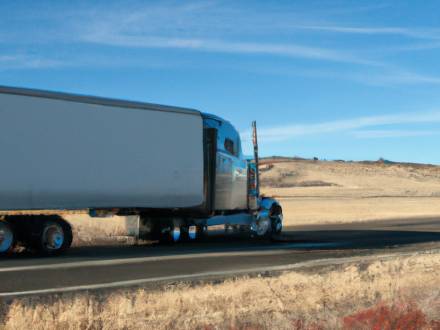 The aftermath of a motor vehicle collision can take months to fully resolve. Depending on the scope of the property damage and injuries caused, the people involved may need months to properly settle everything. Those who get injured must receive immediate medical care. People also need to arrange for vehicle repairs after having their vehicle towed to the shop. In some cases where the vehicle is no longer safe to drive, people must begin the often lengthy and frustrating process of hunting for a replacement vehicle after a crash.
Those settling matters from a recent car crash often need to negotiate with insurance companies as part of that process. While many of the needs are the same when the vehicle that caused the crash is a semi-truck, not another passenger vehicle, the process can be infinitely more difficult than "usual" for people to manage.
Insurance companies have more to lose in semi-truck crashes
Claimants can expect more challenges when seeking coverage after a semi-truck crash. The biggest reason why insurance negotiations after a semi-truck collision might prove challenging is how much larger the insurance policies usually are.
5 kinds of negligence that commonly cause semitruck crashes
Understanding the common causes of collisions is essential for victims involved in commercial truck crashes. The aftermath of semitruck crashes is often more complicated than typical car wrecks due to a variety of factors. Being able to accurately assess what has caused a wreck can help to smooth the process of sorting out what comes next.
If you’ve been injured in a semitruck crash, recognizing common potential causes of the kind of harm you’ve suffered is important. This information can provide essential context for any legal claims you might pursue as you move forward.
Driving fatigue
Truckers often face long hours on the road, which can lead to fatigue. Despite regulations limiting driving hours, tiredness remains a common cause of crashes. Fatigued driving can impair reaction time, judgment and overall driving performance in a way that increases the chance of a crash.
What are the most dangerous intersections in New Braunfels?
There are collisions on the roads in Texas every day that range from minor fender benders to life-altering wrecks. Many of these collisions occur at intersections. This is because, ultimately, places where vehicles have to approach and cross paths with one another are higher risk than places where they drive next to one another or have a barrier separating lanes of traffic.
Technically, collisions can and do occur at just about any intersection, but some locations are more dangerous than others. The speed of traffic, the visibility of approaching vehicles and even the number of drivers passing through can influence the degree of collision risk at any particular intersection.
What intersections in the New Braunfels area tend to experience the highest rates of collisions?
New Braunfels is one of the most dangerous areas for drivers
According to a nationwide analysis by Smart Growth America, the San Antonio/New Braunfels area is one of the most dangerous metropolitan areas in the country concerning pedestrian crashes specifically. The area also experiences a relatively high number of motor vehicle crashes, many of which take place at busy intersections.
Why some people don’t realize a crash has hurt their spinal cords
What most people understand about spinal cord injuries largely stems from seeing movies and television shows where people experience an immediate and total loss of sensation and motor control after sustaining harm. That is often what happens when a traumatic injury causes a complete spinal cord injury.
Car crashes are a leading cause of spinal cord injury, with collisions causing roughly 38% of the reported spinal cord injuries incurred by the public each year. Individuals may not be able to exit their vehicles after a crash because of the loss of function and require emergency transportation to a nearby medical facility to undergo treatment as soon as possible.
However, it is also possible for people to experience a spinal cord injury and still retain both their feeling of pain and their ability to use their body below the injury site. Medical professionals refer to these as incomplete spinal cord injuries. Ruling out the possibility of an incomplete spinal cord injury is one reason why people may need to be assessed thoroughly by a medical professional after a collision that causes severe damage to their vehicles and leaves them unsure of their physical condition.
3 mistakes people make when they handle crash claims on their own
Those injured in collisions caused by another driver have certain rights under Texas state law. Typically, they have the option of filing an insurance claim. If someone doesn’t have insurance or if they cause a crash that leads to major losses, people can pursue personal injury or wrongful death lawsuits in civil court.
Those who are not at fault for a crash often assume that the system will work in their favor, but that is not necessarily the case. Insurance companies may aggressively negotiate to limit what they pay on claims, and the person who caused the crash could very well retain a lawyer in hopes of avoiding personal responsibility for the wreck. Ultimately, attempting to manage the process of pursuing compensation without professional support could very easily lead to someone making one of the three mistakes below.
Paperwork or deadline mistakes
There are numerous statutory rules that apply to personal injury lawsuits and insurance claims. For example, someone seeking to take another driver to civil court only has two years from the date of their initial injury to take action. After that point, the statute of limitations will largely prevent any lawsuits. Mistakes regarding the type of papers that someone files with the courts or the insurance company, as well as errors or omissions on the documents they submit, could complicate their claim or lead to significant delays.
Hire a Firm that
Works for You.
Award-Winning
James Bettersworth has been recognized as an Elite Lawyer since 2019.
25+ Years of Experience
Our firm knows how to win complex personal injury cases for our clients.
Hands-On Legal Process
We are always attentive to our clients' needs and available to answer their questions.

Call 830-606-0404 or contact us below
telephone
830-606-0404fax
830-626-1414follow us


From our office in New Braunfels, we serve clients throughout South Central Texas, including New Braunfels, San Antonio, Seguin, Bulverde, Kyle, Garden Ridge, Spring Branch, Comal County, San Marcos, Buda, Gonzalez, Karnes City, Karnes County, Converse, Selma, Universal City, Kerrville, Canyon Lake, Hays County, Schertz, Marion, and Guadalupe County.
Results listed are not a guarantee or indication of future case results.
110 West Faust Street, New Braunfels, TX 78130
830-606-0404